
Every sport raises its play in the postseason, but few if any can match the intensity and excitement of playoff hockey. What feels fast and physical during the NHL’s regular season becomes tighter, heavier and far less forgiving once the postseason begins.
Every year when the puck drops on the Stanley Cup Playoffs, the game reaches another level. Space disappears, mistakes are magnified and a single play can provide enough momentum to swing an entire series. Playoff hockey isn’t just an intensified version of the regular season product, it’s a different game altogether.
The Game Tightens Up
One of the first things you’ll notice when watching playoff hockey is how much the game tightens up. The rink may stay the same size, but there’s less open ice and fewer clean scoring chances throughout the game.
When the stakes are at their highest, NHL teams prioritize structure over creativity. While coaches may allow their players to take some chances during the regular season, this style of play comes to a screeching halt in the playoffs. When the Stanley Cup is on the line, there is very little appetite for risk.
Every shift is important and there are no “easy” minutes in the postseason. Forechecking pressure is more consistent and puck carriers have less time to make decisions. Passing lanes close faster and the neutral zone becomes more contested, making breakouts harder to execute.
This intense pressure can create more turnovers, and one bad read can lead directly to the puck finding the back of your own net. With so much on the line, teams play tighter to avoid these mistakes.
Physicality Reaches Another Level
Another noticeable difference during the playoffs is how physical the game becomes. There’s plenty of hitting during the regular season, but none of that compares to the level of physicality seen during the postseason.
In the playoffs, physical play becomes part of every shift, not just in key moments. Hockey players are taught to finish every check and make sure their opponent feels it. Not only does this have an impact on the game at hand, but it can also send a message for the rest of the series.
The battles along the boards become increasingly important, which is why you’ll see more intense puck battles along the wall. Pucks are rarely won cleanly, they’re earned through hard work and truculent play.
The area in front of the net becomes an all-out war zone, with forwards fighting to establish position while defencemen do whatever it takes to clear the space in front of their goaltender. It becomes one of the toughest, most punishing areas on the ice.
The Margin for Error Disappears
In the playoffs, a team’s margin for error is razor-thin. Games are often decided by a single moment, and players know that mistakes carry heavier consequences than in the regular season.
With less time and space, decisions have to be made quicker, and even a small breakdown can lead directly to a goal. Turnovers that might go unnoticed in the regular season are quickly exposed under playoff pressure. A misplayed puck in the neutral zone can turn into an odd-man rush, while a defensive zone mistake often ends up in the back of the net.
That pressure isn’t just physical; it’s mental. Players are constantly making split-second decisions, knowing the cost of getting it wrong. Confidence and composure become just as important as skill, especially in high-pressure moments. Playoff hockey is not about who makes the most plays, it’s about who makes the fewest mistakes.
Goaltending Matters More Than Ever
Goaltending often becomes the defining factor in a playoff series. A goalie who finds their rhythm can completely shift momentum, turning high-quality chances into frustration for opposing teams. When space is limited and opportunities are harder to come by, every save carries more weight.
A hot goaltender doesn’t just stop pucks, they influence how the game is played. Shooters begin to hesitate, teams press for perfect chances and confidence starts to tilt. Over the course of a series, those small shifts can add up quickly.
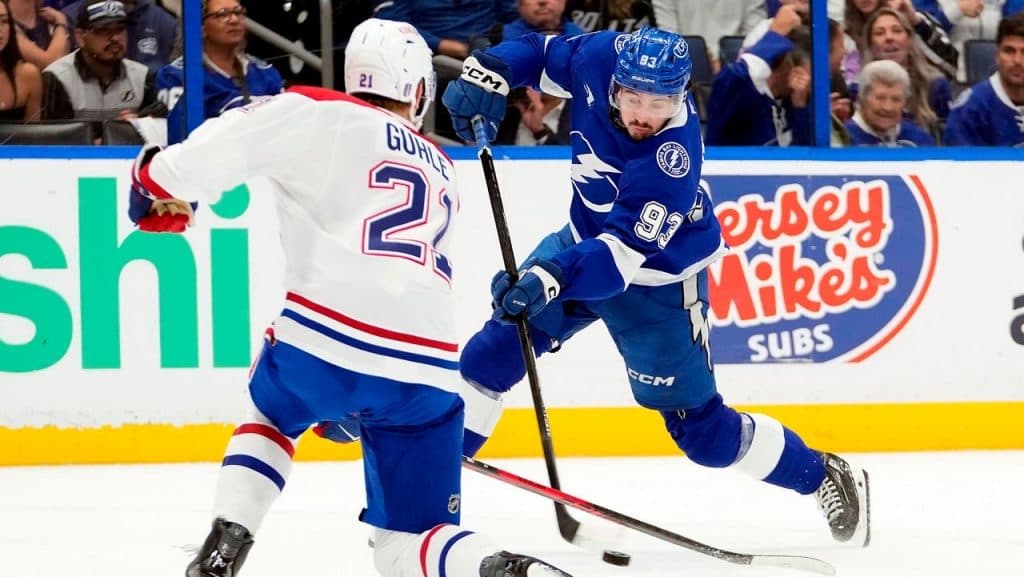
Unlike any other position, a goalie has the ability to take over and carry their team through difficult stretches. We saw this recently, as Canadiens netminder Jakub Dobes stymied the Lightning in a thrilling Game 7 performance.
A few key saves at the right moments can be the difference between winning and losing, and in the playoffs, that difference is everything.
The Beauty of Playoff Hockey
Throughout the playoffs, the game evolves in ways that go beyond the stakes alone. The pace tightens, the physicality increases and the margin for error disappears. This forces teams to rely on structure, discipline and execution. When put together, these changes create a version of hockey that feels more intense, more demanding and far less forgiving than what’s seen during the regular season. That’s why playoff hockey feels different—because it is.